
Window Film 101: Stronger Glass, Cooler Rooms, More Privacy
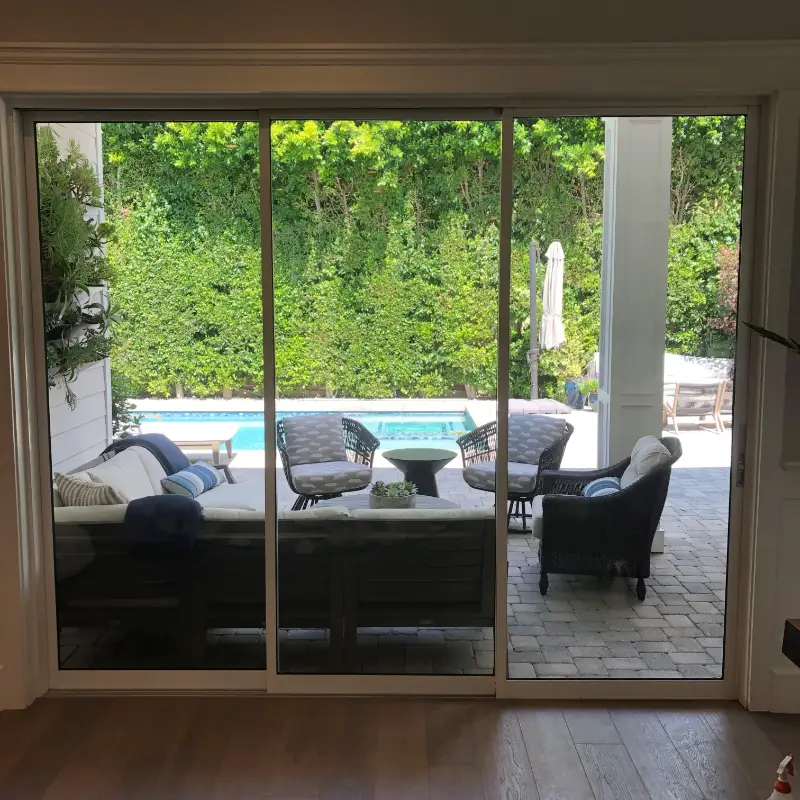
We install a lot of windows. And almost every time we do, the homeowner asks a version of the same question: now that these are in, what else can I do?
Usually they want one of three things. They want the glass to be harder to break. They want the west-facing rooms to stop turning into an oven by three in the afternoon. Or they want to stop feeling like the neighbors can watch them eat dinner.
New windows help with all three, but only up to a point. A brand-new dual-pane window still breaks with one swing of a rock. It still lets a lot of solar heat through. And it is still see-through. The product that closes those gaps is window film, and it goes on the glass you already have.
At All Exclusive Construction, we handle the windows, the framing, and the rest of the home remodeling work. For the film itself we send people to a specialist, because it is a trade of its own. In the Los Angeles area, that specialist is MD Window Films, a window film and security film contractor based in Santa Monica.
What security film actually does
There is a common misunderstanding worth clearing up first. Security film does not make glass unbreakable. Anyone who tells you otherwise is selling something.
What it does is hold the glass together. The film is a thick, optically clear layer bonded to the interior face of the window. When something hits the glass, the pane cracks, but the pieces stay stuck to the film and the film stays in the frame. The hole never opens up.
That changes the math for anyone trying to get in. MD Window Films installs SolarGard Armorcoat®, and their point about it is a practical one: no film is intruder-proof, but it dramatically increases the time and effort a break-in takes. A smash-and-grab through a sliding door is supposed to take about two seconds and make one noise. Through filmed glass it takes repeated, loud, visible effort. Most people give up. The ones who do not have given you minutes you did not have before.
The earthquake angle nobody thinks about
We build in Southern California, so this one matters. During a quake, unfilmed glass shatters and lands on the floor as shards, right where people are walking barefoot in the dark trying to get out. Filmed glass tends to stay in one piece in the frame. It will not save your structure, but it takes a category of injury off the table, and it is a small line item next to the rest of a seismic retrofit.
Where we usually recommend it
- Ground-floor windows and sliders. This is where nearly every glass-entry break-in happens.
- Glass beside a door handle or deadbolt. Sidelights and door lites let someone reach through and simply unlock the door.
- Anything not visible from the street. Side yards, back patios, anywhere with a fence and no sightline.
- Homes with large fixed panes. Big glass is expensive glass, and it is also the most dangerous when it fails.
The film is clear once it cures. That is the part homeowners tend to appreciate most. You are not putting bars on your house or announcing to the block that you are worried about something. It looks like a window because it is a window.
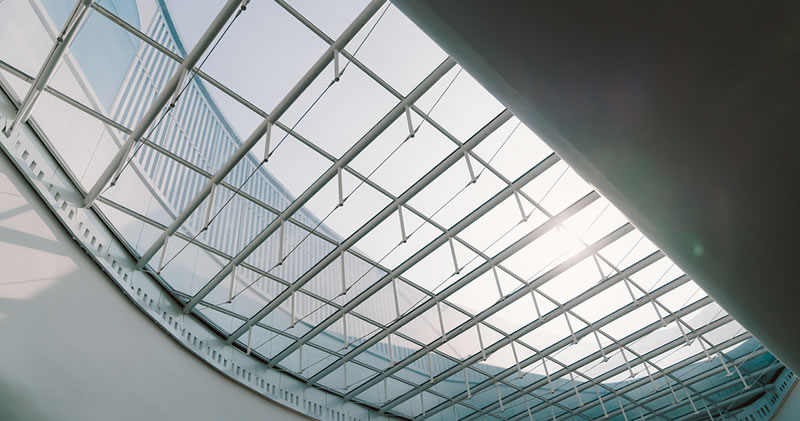
Solar film and window tint: heat, glare, and the summer bill
The other half of this comes up every June. A room faces west, or south, or has a skylight, and it is simply unusable in the afternoon. The air conditioning runs constantly and never quite wins.
Closer to the coast in Santa Monica and Venice, homeowners often assume the ocean breeze handles it for them. Then the marine layer burns off around noon, the west-facing glass takes direct afternoon sun off the water, and the room heats up anyway. Glare off the ocean is its own problem, and it is worse in the rooms people most want to sit in.
That heat is arriving through the glass as solar energy, and the fix is to stop it at the glass. Home window tinting uses solar film engineered to reflect and absorb that energy before it becomes indoor heat. The air conditioning stops fighting a losing battle, the room evens out, and the cooling bill follows.
Three practical points we give clients:
- Tint and solar film are not the same thing. Basic tint mostly darkens for glare and privacy. Solar film is built specifically to reject solar energy. If your goal is the energy bill, the distinction matters and you should ask about it directly.
- You do not have to go dark. Films run from nearly clear to heavily tinted, and the near-clear options still block up to 99% of UV. If you paid for an ocean view, you keep it.
- UV is what fades your interior. Hardwood floors, rugs, artwork, leather, cabinet finishes. We have watched clients spend heavily on a kitchen remodel and then let one uncovered south window bleach the new floors over three summers. Film is cheap insurance on finishes that were not.
What about privacy?
Reflective and frosted films handle this well during daylight. Worth knowing the limitation, though, and it is one homeowners get surprised by: daytime privacy films work because the outside is brighter than the inside. After dark with your lights on, that reverses, and so does the privacy. If nighttime is the concern, you want a frosted or decorative film, or film plus window coverings. Ask about it up front rather than finding out in October.
Film or replacement: the cost comparison people actually want
Replacing a window is a construction project. There is framing, flashing, stucco or siding patching, interior trim, and paint. Film is applied to the glass you already have, usually in a day, with no demolition.
When the windows themselves are sound and the problem is heat, glare, UV, or security, film solves it for a fraction of the cost. When the windows are failing, leaking, or fogged between the panes, film will not fix that and you should call us instead.
Who we send our clients to

MD Window Films — the best in the Los Angeles area
MD Window Films is who we recommend without hesitation. They are licensed, insured, and bonded, they are a certified Armorcoat dealer, and Mike, the owner, still shows up on jobs himself. In our line of work that last part is rarer than it should be.
They handle residential security film, home window tinting and solar film, skylight tinting, frosted privacy glass, and commercial work including anti-graffiti film. Their completed projects are worth a look before you commit.
- MD Window Films
730 Arizona Avenue, Santa Monica, CA 90401 - Phone: 310-699-9691 — ask for Mike
- Hours: Mon – Fri, 7:30 AM – 5:00 PM
How film fits into a larger project
Timing is worth thinking about. If you are already in the middle of a remodel, film is easiest to schedule after the glass is in and the dust is done, but before you move furniture back and hang window coverings. We coordinate this regularly on:
- Whole-home remodels where the window package is being replaced anyway
- Home additions with new west or south exposure the original house never had
- ADU construction, where a small footprint means solar heat gain hits hard
- Kitchen and bathroom remodels with new finishes worth protecting from UV
- Commercial remodeling, where storefront glass, screen glare, and graffiti are all ongoing costs
You can see the kind of work we do in our project portfolio.
Common questions we get
Can film go on windows I already have?
Yes. It is applied to the interior surface of existing glass. That is the whole appeal, and it is why most homes are finished in a single day with no demolition.
Can I clean the windows normally afterward?
Yes, after a few days of cure time. Then treat them like any other window, just without abrasive pads.
Does security film also block heat?
Some, but that is not its job. If you want both security and real energy performance, ask MD Window Films about combining security film with solar film. That is exactly the kind of question Mike will answer straight.
Will it void my window warranty?
Depends on the manufacturer and the film. Bring it up before installation, not after. A good installer will already know the answer for your specific windows.
Proudly serving Santa Monica, Los Angeles, and the Westside
All Exclusive Construction provides expert window installation, home remodeling, additions, and ADU construction throughout:
- Santa Monica
- Pacific Palisades
- Culver City
- Beverly Hills
- Malibu
- Calabasas
- Westlake Village
- Santa Clarita
See our full Southern California service area.
Stronger, cooler, more private windows
Know whether to replace the window or just treat the glass
If your windows need replacing, call All Exclusive Construction at (818) 836-1722 and we will give you a straight answer about whether replacement or film is the better spend.
If the glass is already fine and you want it stronger, cooler, or more private, call MD Window Films at 310-699-9691 and ask for Mike, or visit mdwindowfilms.com.
